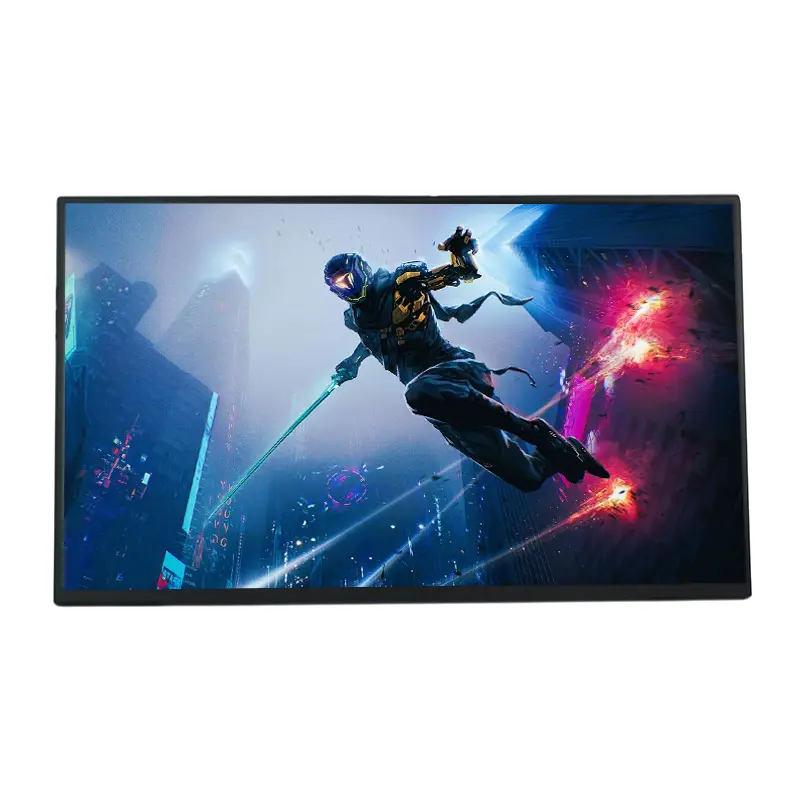
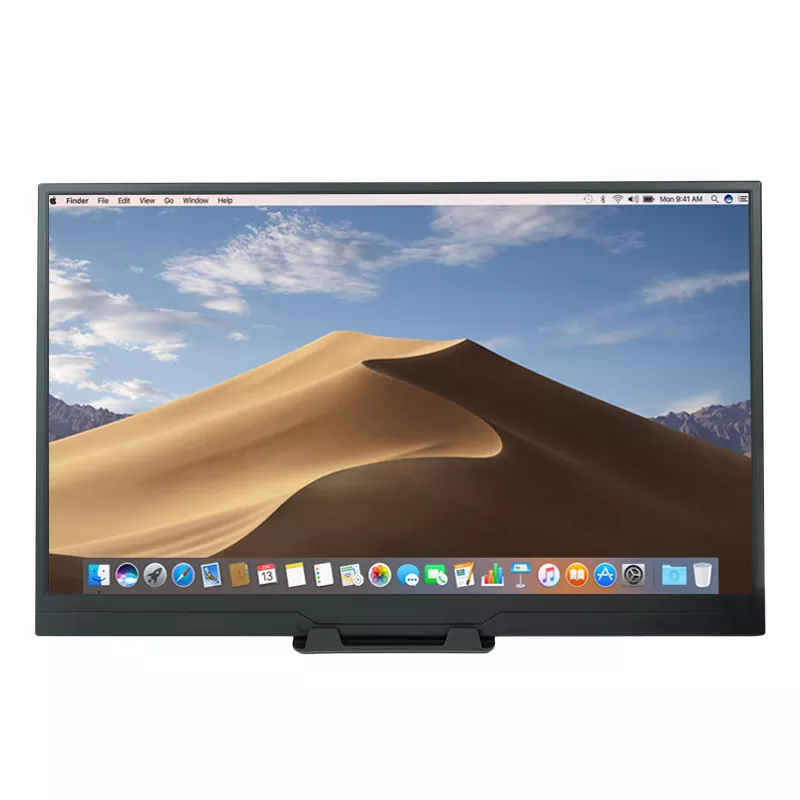
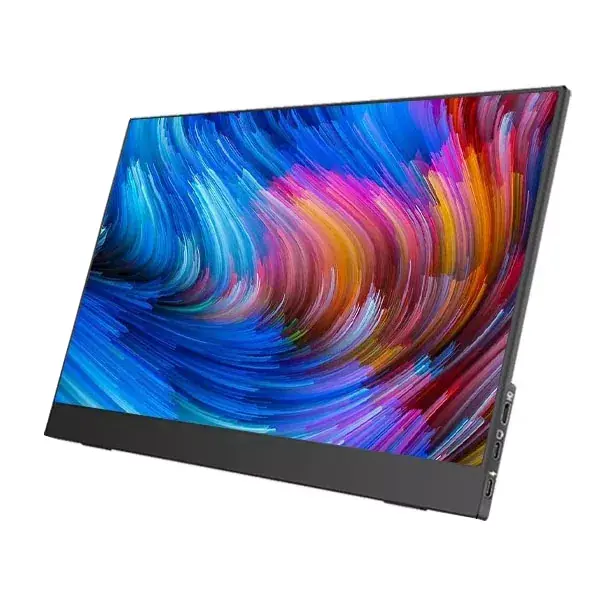
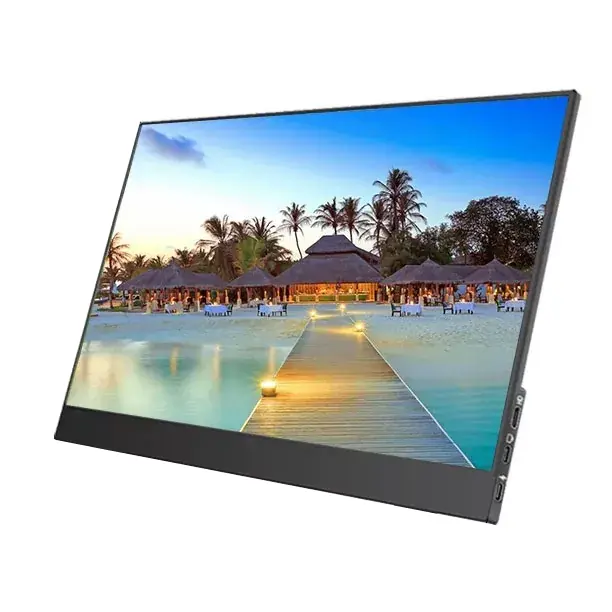
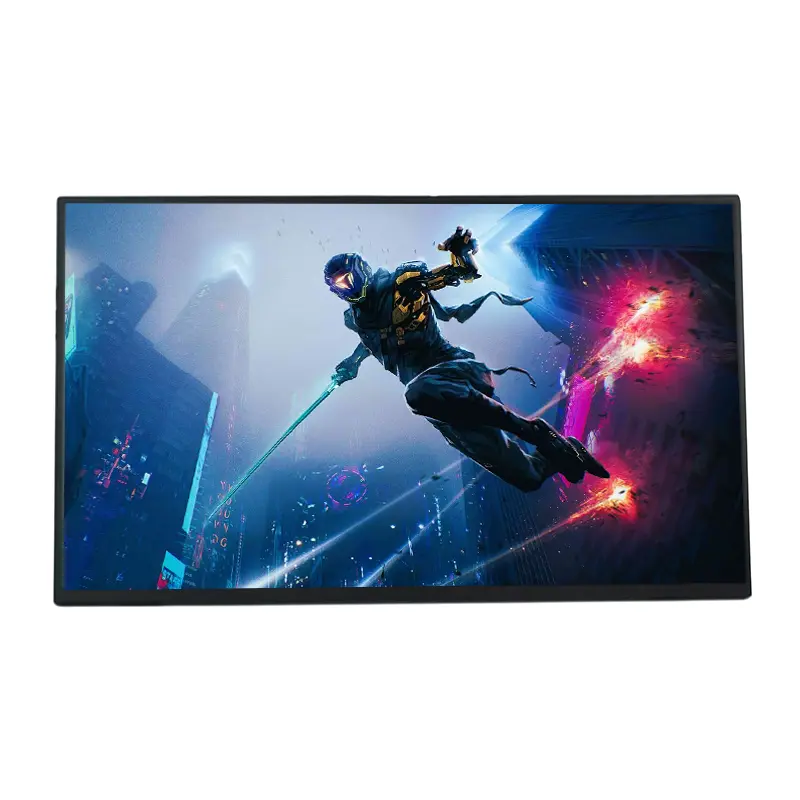
The evolution of display technology has ushered in a new category of visual solutions that prioritize mobility without compromising on clarity or functionality. Professionals, gamers, and tech enthusiasts increasingly seek flexible display alternatives that adapt to dynamic environments. This article explores how compact external screens—often referred to in the industry as portable monitors—are transforming workflows and leisure, highlighting key technical considerations, market trends, and the role of established manufacturers in advancing display ecosystems. Throughout this analysis, the term will be used only where context demands, ensuring substantive industry developments remain the focus.
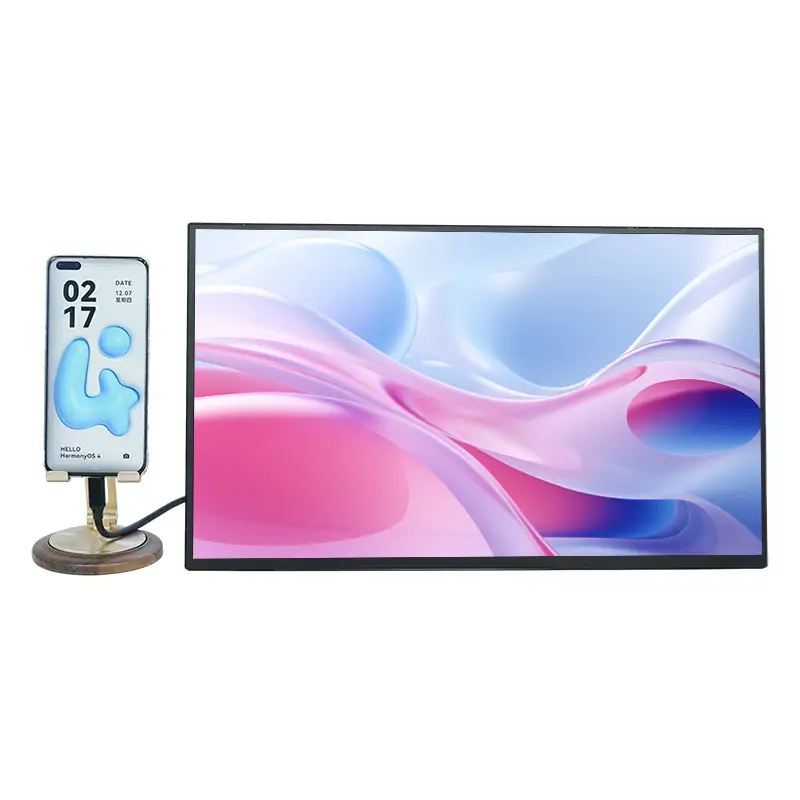
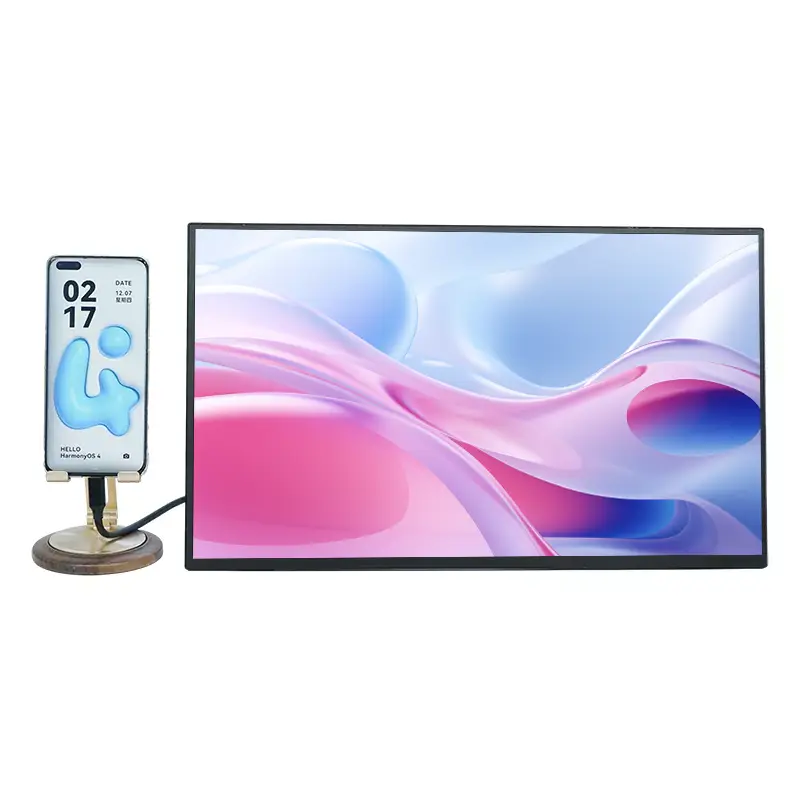
Unlike traditional fixed-panel setups, modern external screens offer plug-and-play convenience across numerous host devices. Their lightweight construction and slim profiles enable seamless transitions between office desks, home studios, and travel hubs. A primary driver for adoption is the growing need for secondary display real estate among laptop users, field engineers, and creative freelancers. Additionally, the gaming community values these panels for extending gameplay from consoles or handheld devices without being tethered to a large television. The universal compatibility—via USB-C or HDMI—further lowers entry barriers for non-technical users. As hybrid work models persist, the ability to maintain dual-screen efficiency anywhere has become less of a luxury and more of a standard expectation. This category of portable monitors continues to evolve through improved color accuracy, touch integration, and adaptive brightness sensors.
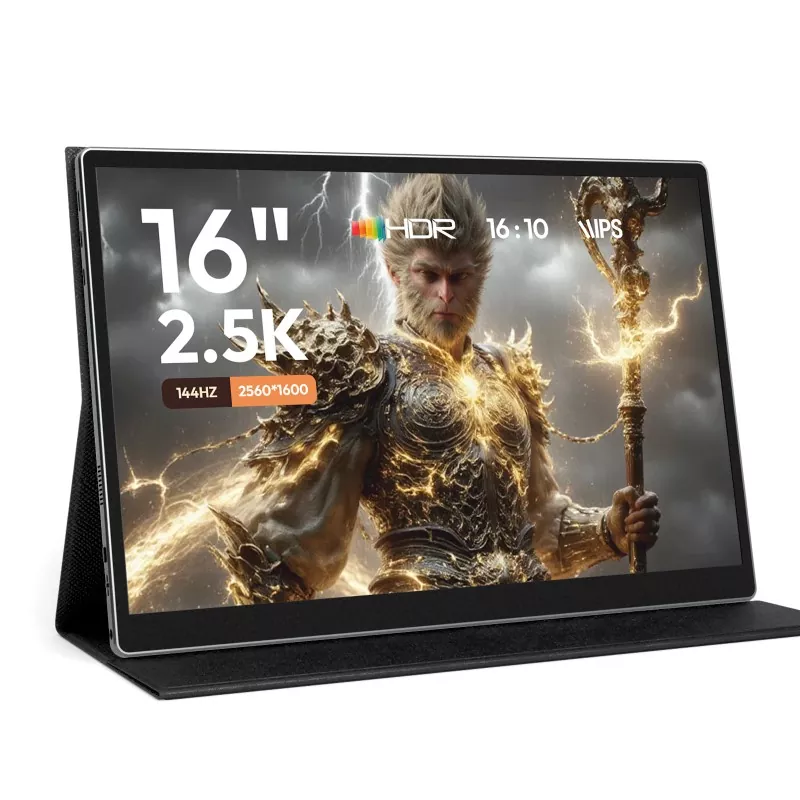
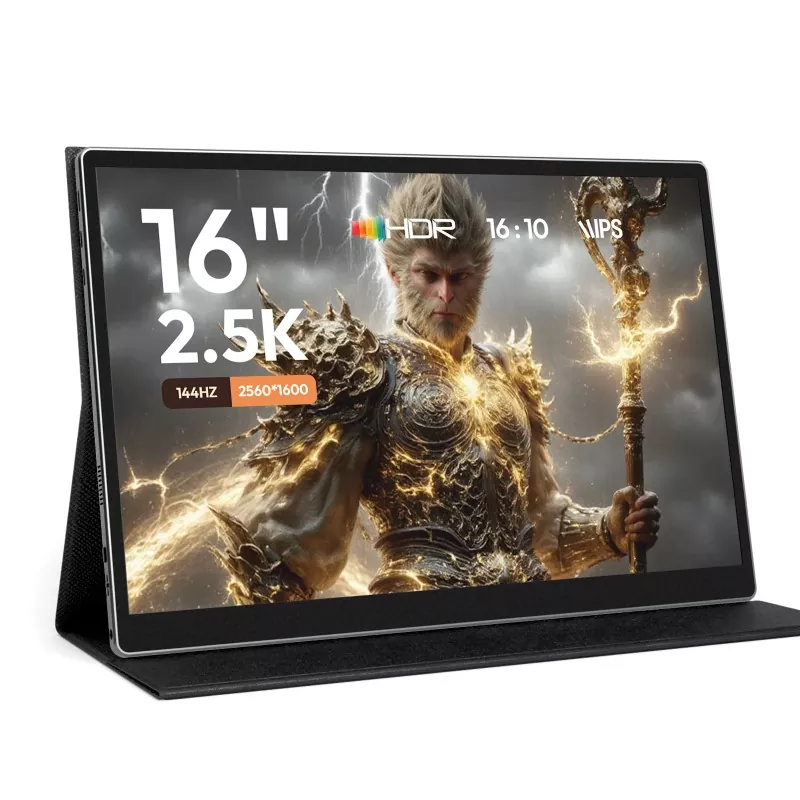
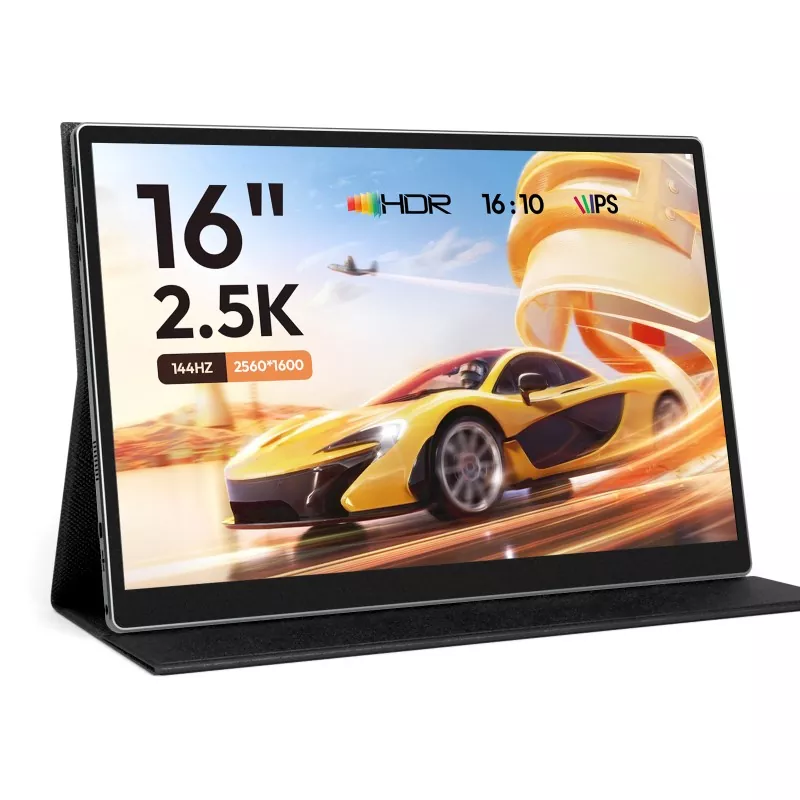
Liquid crystal display variants using IPS (In-Plane Switching) technology dominate this segment due to superior viewing angles and consistent color reproduction. High-contrast ratios and wide color gamuts (such as sRGB or DCI-P3 coverage) are critical for photo editing and video consumption. Anti-glare treatments reduce eye strain during extended use, while laminated displays enhance outdoor readability. Refresh rates up to one hundred forty-four hertz cater to action-oriented gaming scenarios, ensuring tear-free visuals. HDR support, though varying by model, amplifies dynamic range for cinematic content. These technical attributes determine how effectively a mobile screen complements a primary workstation or entertainment hub.
Single-cable solutions represent a milestone in user convenience, where both video signal and device charging occur through a single USB-C connection. This feature eliminates adapter clutter and reduces setup time. For legacy systems, HDMI ports remain standard, often accompanied by mini-HDMI or DisplayPort alternatives. Integrated battery options allow standalone operation without draining the host device, though many models draw power directly from the connected laptop or tablet. Intelligent auto-rotation sensors adjust orientation between landscape and portrait modes—beneficial for coding, document review, or social media dashboards. On-screen display (OSD) menus with joystick controls enable brightness, volume, and contrast adjustments. These connectivity paradigms shape the utility of monitors in real-world scenarios, reinforcing their versatility across various hardware ecosystems.
The following table outlines typical diagonal dimensions and their ideal application contexts. This reference helps professionals match hardware to specific tasks without relying on numerical specifications.
| Screen Diagonal Range | Primary Use Environment | Key Feature Priority |
|---|---|---|
| Thirteen to Fourteen inches | Ultra-mobile business travel, airline tray tables | Low weight, protective cover integration |
| Fifteen to Sixteen inches | Home office dual setup, classroom presentations | Color accuracy, kickstand versatility |
| Seventeen inches and above | Fixed-flexible workspace, console gaming events | High refresh rate, multiple input ports |
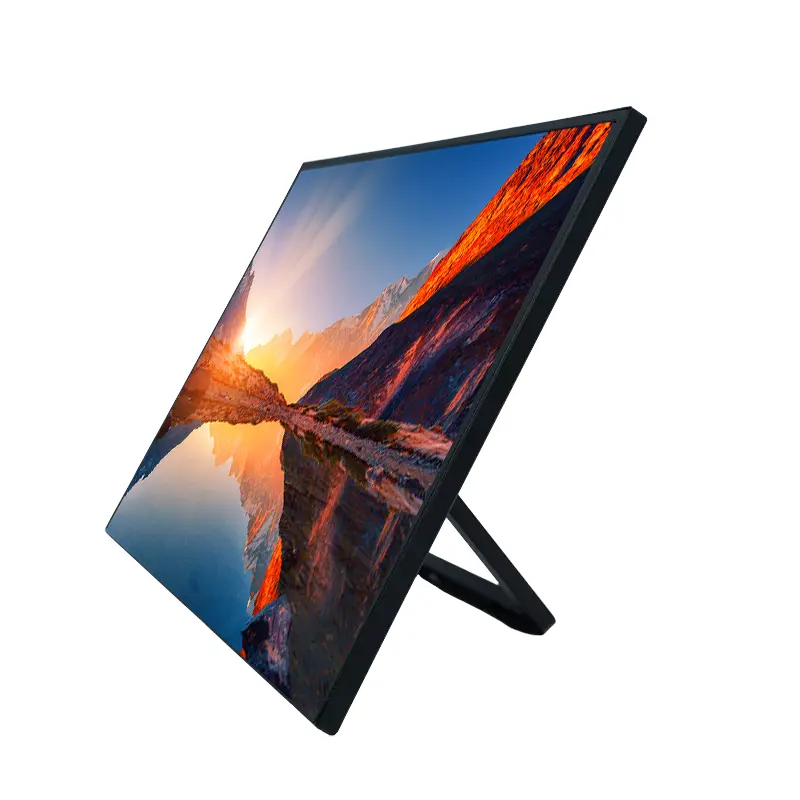
Choosing a diagonal involves trade-offs between portability and immersive viewing. Smaller options fit easily into messenger bags, while larger panels approach desktop monitor dimensions yet remain packable. Many users maintain multiple portable monitors for different contexts, leveraging the inherent flexibility of this product category. Manufacturers continue to push bezel-less designs, further maximizing screen-to-body ratios without increasing footprint.
Demand for these external displays has accelerated due to three interrelated shifts. First, the proliferation of USB-C as a universal standard across laptops, tablets, and smartphones simplified hardware ecosystems. Second, remote work policies normalized the concept of temporary yet productive home setups, encouraging investment in compact peripherals. Third, cloud gaming services allow high-fidelity play on non-dedicated devices, but a quality screen remains necessary to appreciate visual details. Consequently, accessory manufacturers compete on features like low-latency modes, blue light reduction certifications, and ambient light sensors. Another emerging trend is the integration of touch and stylus support, transforming these monitors into pen-input surfaces for digital artists or signature capture. Corporate procurement teams also evaluate these panels for hot-desking environments, where employees require consistent display quality across different workstations. As component costs decrease, premium features trickle down to mid-range offerings, expanding total addressable market.
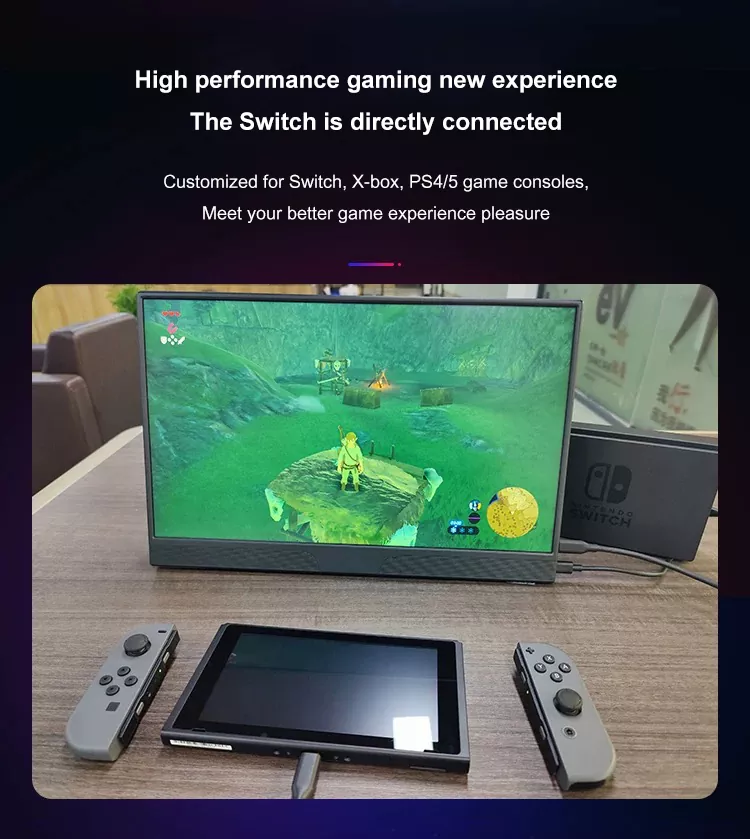
Handheld gaming systems, such as the Nintendo Switch or Steam Deck, benefit substantially from a larger canvas when docked. A portable external screen allows gamers to maintain mobility while enjoying a bigger view during travel or at a friend’s house. Similarly, micro-consoles like the Xbox Series S or PlayStation Digital Edition can pair with these displays for impromptu multiplayer sessions without requiring a full television setup. Low input lag and adaptive sync technologies (e.g., FreeSync or G-Sync compatibility) minimize visual artifacts during fast-paced action. Some advanced models include built-in speakers and audio jacks, eliminating the need for external soundbars. For streaming stick users, a portable monitor with HDMI input plus USB power output can turn any desk into a private cinema. This cross-device synergy explains why the broader ecosystem of mobile display accessories enjoys steady growth, appealing not only to office professionals but also to entertainment-focused consumers.
Engineering a robust yet slim external panel involves several trade-offs. Heat dissipation is more challenging in compact chassis, potentially affecting component lifespan. Manufacturers address this via passive cooling channels or graphene films that spread thermal load. Durability against flex and torsion requires reinforced aluminum or magnesium alloy frames, often combined with Corning Gorilla Glass for scratch resistance. Another challenge is uniform backlighting across thin edges; advanced LED arrays and light-guide plates mitigate hotspots. Color calibration from factory to user environment also varies, hence some brands provide pre-calibrated profiles or hardware LUTs (Look-Up Tables) for consistency. Furthermore, firmware updatability via USB ensures that compatibility with future host devices remains possible. These technical hurdles separate generic displays from professional-grade portable monitors that command higher prices but deliver reliability and performance. As supply chains mature, more vendors adopt rigorous quality assurance protocols, raising the industry baseline.
Behind every high-performance external screen lies a network of specialized component suppliers. Panel sourcing directly influences image quality, response times, and power efficiency. Companies that collaborate closely with tier-one liquid crystal display foundries gain access to newer IPS or mini-LED backlight technologies before broader market release. Such partnerships enable custom modifications—like specific aspect ratios, bonding methods, or anti-reflective coatings—tailored to unique product positioning. Additionally, driver board design and timing controller integration require deep hardware knowledge to ensure stable operation across varying input resolutions. Having established relationships with panel manufacturers also streamlines supply chain logistics, reducing lead times during demand surges. This collaborative ecosystem ultimately benefits end users through better warranty support, consistent product batches, and faster iteration cycles. Therefore, evaluating a brand’s upstream alliances can reveal much about their engineering maturity and quality emphasis.
Extended screen time demands consideration of eye fatigue. Matte finishes diffuse ambient light, making displays usable near windows or overhead fixtures. Some premium models incorporate circularly polarizing layers that further cut reflections, a feature borrowed from high-end tablet displays. Flicker-free backlighting and low-blue-light modes are increasingly standard, often certified by TÜV Rheinland. Adjustable color temperature, synced to time of day via software, reduces circadian disruption. Additionally, anti-fingerprint oleophobic coatings maintain clarity during touch interactions. For professionals in visual arts, factory calibration to standards like Rec.709 or DCI-P3 ensures that what they see matches client expectations. These ergonomic and color-critical attributes transform portable monitors from convenience gadgets into reliable productivity instruments. As awareness of digital wellness grows, such comfort-oriented features become decisive factors in purchasing decisions, prompting manufacturers to highlight certifications and laboratory test results in product documentation.
The next generation of external mobile screens will likely incorporate embedded operating systems, enabling basic computing tasks without a host device—similar to a smart display or thin client. Wireless casting via Miracast or AirPlay could reduce cable dependency, though latency remains a hurdle for gaming. Another frontier is modularity: attachable camera modules or battery expansions that clip onto the display chassis. Solar-assist back panels for off-grid charging might appear in niche outdoor models. Meanwhile, artificial intelligence-driven auto-brightness and color adaptation based on ambient content analysis (e.g., switching to cinema mode for movies) will further simplify user interaction. Foldable or rollable organic light-emitting diode (OLED) technology, as it becomes cost-effective, promises truly pocket-sized screens that expand to tablet proportions. However, for the near term, the sweet spot remains rigid IPS panels with USB-C connectivity and sturdy build quality. Manufacturers that invest in software driver longevity and cross-platform compatibility will capture customer loyalty as device ecosystems diversify. The continued refinement of portable monitors will likely blur the line between accessory and essential computing peripheral.
Within this dynamic landscape, Shenzhen Sixing Technology Holding Co., Ltd. has established itself since two thousand fourteen as a dedicated force in developing and manufacturing advanced visual solutions. The company’s portfolio includes various external screen products such as the fourteen-inch and sixteen-inch variants, alongside broader liquid crystal display modules and display panels. By fostering deep collaborative ties with premier panel suppliers including Innolux, BOE, and AUO, Shenzhen Sixing ensures that its output leverages industry-leading manufacturing processes. Their focus extends beyond component assembly—continual refinement of display solutions for terminal application clients remains a core mission. Whether enabling seamless connectivity for gaming consoles like Switch or Xbox, or facilitating crisp business presentations via laptop pairing, the company emphasizes user experience throughout the design cycle. Optimizing product features and aesthetics in response to shifting customer requirements underscores their operational philosophy. Through this integrated research, production, and sales model, Shenzhen Sixing Technology Holding Co., Ltd. exemplifies the type of specialized manufacturer that drives the portable monitor sector forward, evolving alongside its partners and end users alike.
-